
Youth basketball drills
Basketball defense drills for youth coaches
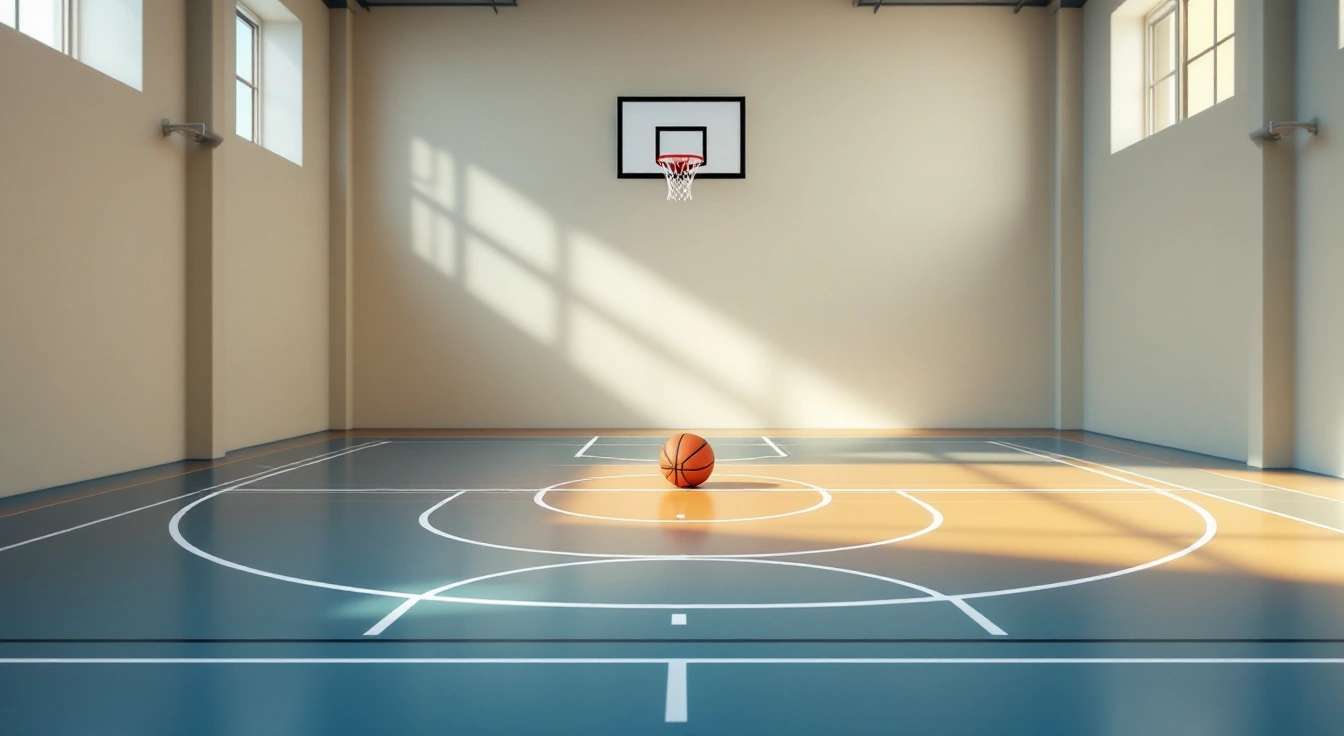
Choose basketball defense drills by the movement the group can control. Begin with a slow mirror, then a route to contain and finally a permitted help decision. Chasing a steal is not the first goal of every defensive task.
Use no-contact paired work before adding a live dribbler. A mirror teaches balance, a slide-and-recover route teaches a next step, and a closeout teaches arriving under control. The help activity is optional and depends on the local rules. All times, counts and distances below are editable authored examples, not official workload or readiness standards.
Defensive footwork, on-ball defense and off-ball defense are separate parts of the USA Basketball foundational curriculum. Choose the task that explains the first positioning problem you see.
On this page
Group and equipment checks
These examples suit a group that can follow a stop cue and keep separate lanes. Use the local program’s age and defense rules. The younger NBA/USA Basketball charts specify player-to-player set defense; do not turn a help exercise into unapproved crowding. One ball per pair or group is enough, with flat spots outside the landing routes.
Stance and mirror drill
- Goal: Follow an attacker without reaching.
- Readiness: Can stop at a spoken cue.
- Players: Two per lane.
- Space: Two parallel clear lanes.
- Equipment: Optional floor spots; no ball first.
- Editable example time: 2 minutes, with short exchanges.
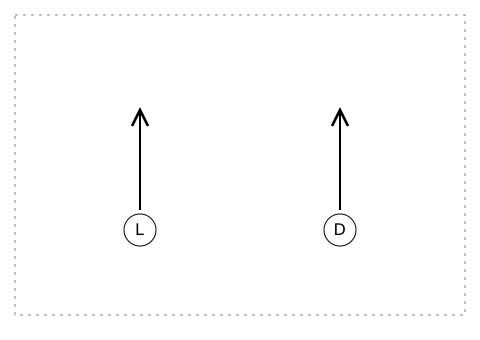
L is the leader and D mirrors from the other lane. The two solid arrows show the same slow direction; neither player crosses the viewing gap. Stop together before exchanging the lead.
Solid arrows show player movement; dashed arrows show the ball. The dotted edge marks an illustrative work area, not regulation boundaries.
Step 1: L faces D across a comfortable gap. L takes a slow sideways step while D matches from the other lane. Keep the lanes parallel rather than letting either player chase across the gap.
Step 2: Stop after a few movements and exchange who leads. Give the new leader a slow route first. A stumble is a reason to reset the pace, not have the pair race to recover.
Coach cue: See the chest and keep your own balance.
Easier version: Use one step and a complete stop.
Harder version: Let L choose between two slow directions.
Observe: D stays balanced without touching or crossing into L’s space.
Controlled slide and recovery drill
- Goal: Recover toward a route after being a step behind.
- Readiness: Can move sideways and stop without a ball.
- Players: Two, alternating the moving job.
- Space: One broad short lane and clear return.
- Equipment: Two flat markers.
- Editable example time: 3 minutes, one trip per turn.
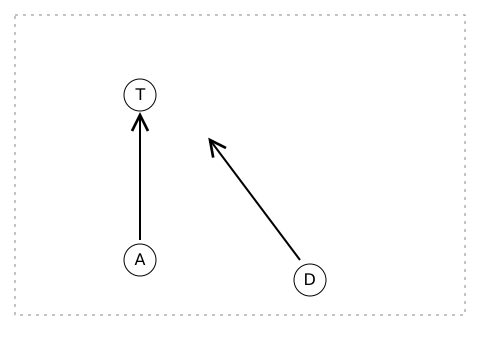
A walks toward T. D starts to the side and behind, then takes the diagonal recovery route with a visible gap from A. Both stop at the end before returning outside the lane.
Solid arrows show player movement; dashed arrows show the ball. The dotted edge marks an illustrative work area, not regulation boundaries.
Step 1: A walks toward a marked end while D begins slightly to one side and behind. D moves toward the route without grabbing or cutting into A’s body. Begin at walking speed with a visible gap.
Step 2: End at the marker and walk back outside the working lane. Switch the starting sides and jobs. The defender’s task is the recovery angle, not winning a foot race.
Coach cue: Reach a useful position before adding pressure.
Easier version: Remove A and rehearse the route alone.
Harder version: Allow A one broad direction choice.
Observe: The recovery ends in a balanced position with no contact.
Closeout and contain drill
- Goal: Approach a catch and remain able to move again.
- Readiness: Can stop before a stationary partner.
- Players: Passer, receiver and defender.
- Space: A clear receiving spot away from a wall.
- Equipment: One ball.
- Editable example time: 3 minutes, rotate all three jobs.
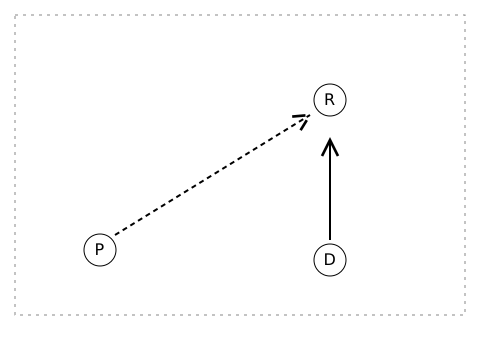
P feeds receiver R along the dashed line. D follows the solid approach arrow and stops short of R. Hold the first catch so D can show a controlled gap before R adds a dribble.
Solid arrows show player movement; dashed arrows show the ball. The dotted edge marks an illustrative work area, not regulation boundaries.
Step 1: P passes to a still receiver. D approaches at a controlled pace and stops with a gap. The receiver holds the ball until D has shown a calm stop.
Step 2: On the next turn, the receiver may take one slow dribble toward a clear side. D moves to contain with hands out of the receiver’s body. End before any collision and rotate.
Coach cue: Arrive so you can take the next step.
Easier version: Keep the receiver still throughout.
Harder version: Let the receiver choose the dribble side.
Observe: D stops without lunging and can respond to the chosen side.
Help-position decision drill
- Goal: See the ball and one off-ball receiver.
- Readiness: Local rules permit the chosen help.
- Players: Four with an adult directing.
- Space: Open half-court area.
- Equipment: One ball and optional position spots.
- Editable example time: 4 minutes, walk the first turns.
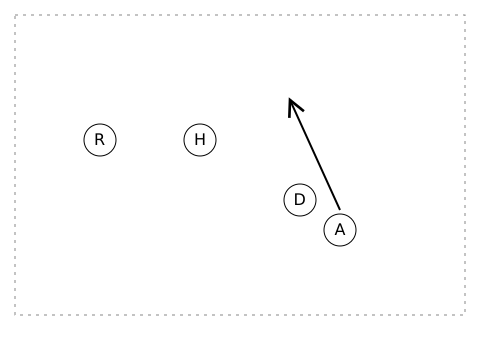
A handles the ball, D stays on the ball, R offers an outside target and H is the helper. The solid arrow starts A’s slow drive; H must keep both A and R in view before helping and recovering.
Solid arrows show player movement; dashed arrows show the ball. The dotted edge marks an illustrative work area, not regulation boundaries.
Step 1: Place a ball handler, on-ball defender, off-ball receiver and helper. The helper points to the ball and receiver. Walk a small drive and show a help position without contact.
Step 2: Pass away from the helper, who returns toward the receiver. Freeze on the catch and name the window that opened. If the program restricts this help, keep the drill to off-ball sightlines.
Coach cue: See both before you move.
Easier version: Hold the ball still and point to each task.
Harder version: Allow the passer to choose hold or pass.
Observe: The helper has a legal route back instead of staying in an accidental double-team.
Put these activities into a practice
Choose one of the first three tasks for a short defensive block. Add the help activity only after the group can name the permitted next responsibility. Keep a group observation such as “the closeout stopped with a gap.” If players repeatedly reach or collide, remove the live choice and restore the slow route before another attempt.
FAQ
Should defenders try to steal in every drill?
No. A task can teach containment or a recovery angle without a steal. The age group may also have rules that restrict stealing. Tell the defender the exact job before the turn, then judge that action rather than whether the attacker lost the ball.
Choose the next coaching task
Youth Basketball Tips · https://youth-basketball-tips.com/youth-basketball-drills/basketball-defense-drills/