
Youth basketball drills
Basketball drills at home: a parent-led practice guide
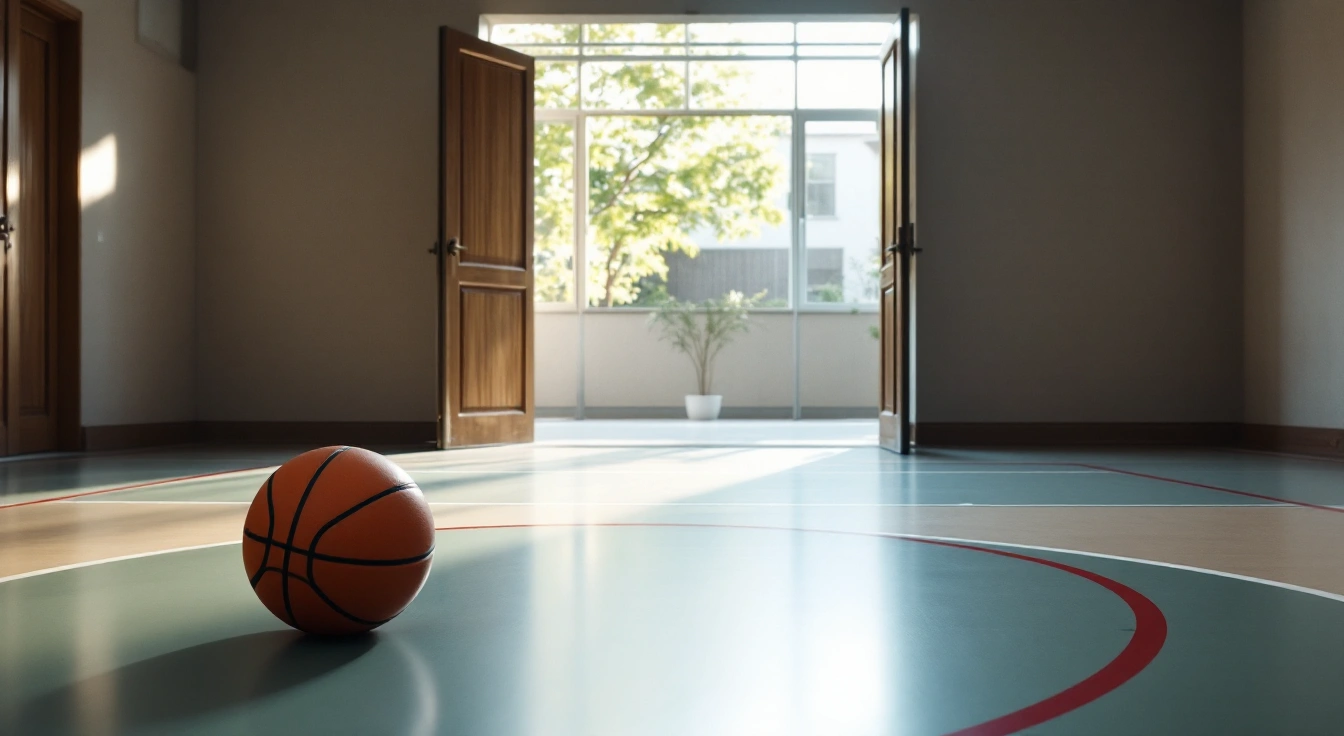
Basketball drills at home need to fit the actual space and the adult’s supervision. A quiet held-ball task can be more useful than trying to bounce in a crowded room. Use the no-hoop options first and add a basket only when the approach and return routes are clear.
Check the floor and any breakable objects. Keep people and pets clear of the space, and check for traffic. Start with ball familiarity or a short controlled bounce, then a suitable partner pass. A wall is an option only with the owner’s permission and enough clear return space. These are authored examples, not approval of a home court, a fixed daily workload or a promise of progress.
The NBA/USA Basketball youth guidance varies equipment by age. Confirm the program’s ball and basket settings before adapting a home space for these tasks.
On this page
Group and equipment checks
Keep all tasks adult-led and leave child data off any worksheet. Check the ball and venue rules, including noise limits and whether indoor bouncing is allowed. A basket task requires the exact system’s setup and use instructions; this page supplies no installation or stability judgment. Stop any task that sends a ball toward traffic or glass, or another person’s route.
No-bounce hand transfer
- Goal: Become familiar with the ball without needing a bouncing floor.
- Readiness: Can hold the selected ball comfortably.
- Players: One worker with an adult observing.
- Space: A clear standing spot away from breakables.
- Equipment: One suitable ball.
- Editable example time: 2 minutes with pauses.
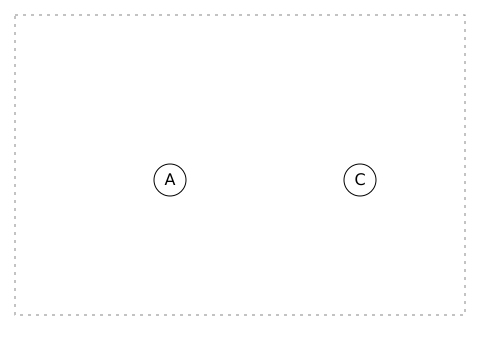
A transfers the held ball between hands at one still spot. C, the adult, watches from the side. No throw, bounce or travel is drawn; pause and set the ball down carefully between turns.
Solid arrows show player movement; dashed arrows show the ball. The dotted edge marks an illustrative work area, not regulation boundaries.
Step 1: A holds the ball near the body and passes it from one hand to the other without a throw. Keep the feet still and the eyes able to see the surrounding floor. The adult checks that the ball is manageable, not an adult-size object blocking the view.
Step 2: Set the ball down with care. Pause, then repeat. If holding it becomes awkward, use a program-approved smaller object or a no-ball movement. Do not make grip discomfort a reason for longer turns.
Coach cue: Keep the ball where you can see the space.
Easier version: Use a two-hand hold and gentle set-down.
Harder version: Add a slow turn of the held ball without moving the feet.
Observe: The transfer stays controlled with no swing toward nearby objects.
Still bounce in a clear patch
- Goal: Control one return from the floor.
- Readiness: Home surface and rules permit bouncing.
- Players: One worker and supervising adult.
- Space: A clear patch with room for a missed bounce.
- Equipment: One ball suitable for the surface.
- Editable example time: 3 minutes, short attempts only.
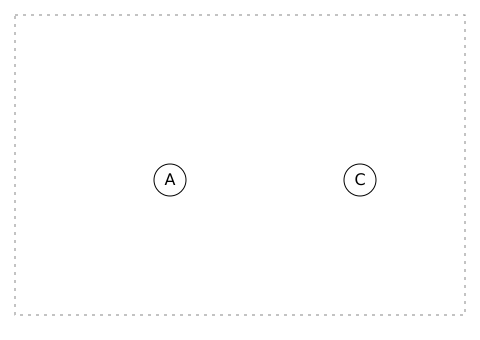
A uses the clear patch for one bounce and a two-hand catch while C watches from outside it. Keep the same spot when trying a brief live bounce; stop if the ball repeatedly leaves the patch.
Solid arrows show player movement; dashed arrows show the ball. The dotted edge marks an illustrative work area, not regulation boundaries.
Step 1: Begin with one bounce and a two-hand catch. Wait while a loose ball is collected from a clear route. The adult watches the return height and whether the player remains in the selected patch.
Step 2: Add a brief continuous bounce only when the single version stays controlled. Stop before the ball repeatedly enters another room or a walkway. More force is not a substitute for suitable space.
Coach cue: One calm bounce is enough to start.
Easier version: Use a gentle roll back to the adult.
Harder version: Try a short live turn with the other hand.
Observe: The ball stays in the usable patch and can be stopped deliberately.
No-hoop stop and turn
- Goal: See a nearby target after a controlled stop.
- Readiness: Can walk and stop on cue.
- Players: One mover with an adult.
- Space: Short clear walking route, no stairs.
- Equipment: Optional held ball and floor spot.
- Editable example time: 3 minutes, then a pause.
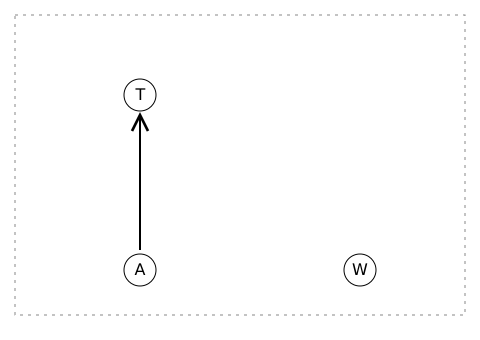
A walks to T, stops and turns to face the adult outside the lane. W waits clear of the return side. Walk the route without a ball before adding the held-ball stop and legal turn.
Solid arrows show player movement; dashed arrows show the ball. The dotted edge marks an illustrative work area, not regulation boundaries.
Step 1: A walks to the spot without a ball and stops. The adult stands in a visible receiving direction. A turns to see the adult while staying balanced. Add a held ball only after the route and stop are clear.
Step 2: For the held-ball version, establish a legal planted foot under the program’s rule before turning. Keep this as a still-stop example rather than adding uncounted steps while holding the ball.
Coach cue: Stop first, then find the target.
Easier version: Stand still and turn the head toward the adult.
Harder version: Add a short gentle pass after the balanced turn.
Observe: A can see the receiver without a shuffle into furniture or another lane.
Passing with a parent
- Goal: Send a catchable ball through a clear short lane.
- Readiness: Adult and player can comfortably catch the ball.
- Players: One child with one supervising adult.
- Space: Unobstructed short lane away from windows.
- Equipment: One suitable ball.
- Editable example time: 4 minutes, change only the pass type.
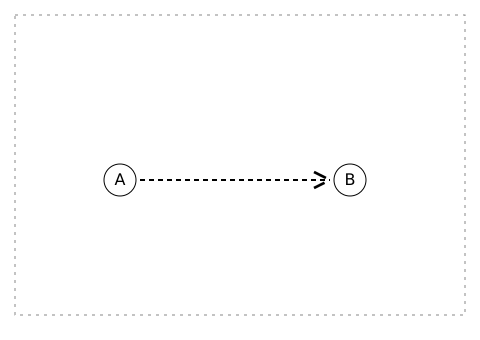
A is the player and B is the adult receiving partner. The dashed line shows the gentle first pass. B shows hands before the release; the return waits for control. A roll is the simpler version.
Solid arrows show player movement; dashed arrows show the ball. The dotted edge marks an illustrative work area, not regulation boundaries.
Step 1: Stand close enough for a gentle two-hand pass. The adult shows hands before the release and returns the ball at a catchable height. Wait for control before the next exchange, with no race to complete a count.
Step 2: If the surface permits a predictable bounce, try a bounce pass as a separate turn. Choose the bounce point by where the ball arrives, not a fixed fraction. Return to a roll if the pass is difficult to catch.
Coach cue: Send to ready hands.
Easier version: Roll the ball along the floor.
Harder version: Let the adult take one slow side step to a clear spot.
Observe: Both receivers can catch without a jump or a lunge.
A permitted wall return
- Goal: Read the returning ball without chasing it through a room.
- Readiness: Wall owner permits ball contact and the return is predictable.
- Players: One worker under adult supervision.
- Space: Clear return zone with no fragile fittings.
- Equipment: A suitable ball and a permitted wall.
- Editable example time: 2 minutes, one return per attempt.
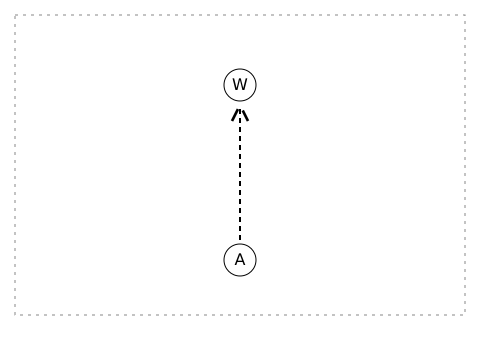
A sends toward permitted wall W and waits for the return in the same clear line. The dashed route is a ball path, not a running lane. The adult checks the return before the player starts.
Solid arrows show player movement; dashed arrows show the ball. The dotted edge marks an illustrative work area, not regulation boundaries.
Step 1: The adult first checks a gentle return alone. If it is suitable, A sends one soft pass and waits to receive it in the clear zone. Keep other people out of the return line.
Step 2: Pause after every return. If the ball deflects unpredictably or hits a fitting, stop using the wall. A partner task or held-ball activity is a complete alternative; the wall is not required for the page’s session.
Coach cue: Watch the whole return path.
Easier version: Use the adult as receiver instead.
Harder version: Add one small side adjustment only if the return space remains clear.
Observe: The catch stays within the checked zone with no chase toward hazards.
Hoop-based close finish
- Goal: Use a basket only after the setup and routes are checked.
- Readiness: Adult confirms the exact system’s permitted use and clear area.
- Players: One active shooter with an adult collector.
- Space: Clear close shot and exit, away from road traffic.
- Equipment: Suitable ball and correctly set-up basket.
- Editable example time: 4 minutes, brief turns with a pause.
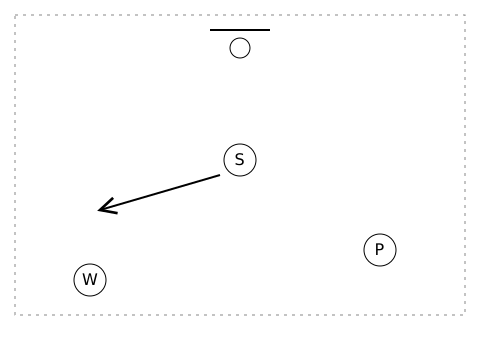
S is the shooter at the close spot; P is the adult collector and W waits outside the route. The solid arrow is S’s side exit after landing. P retrieves only once that space is clear.
Solid arrows show player movement; dashed arrows show the ball. The dotted edge marks an illustrative work area, not regulation boundaries.
Step 1: The adult chooses a close starting spot with an open landing area. S makes one controlled attempt, remains clear as the ball comes down and leaves by the agreed side route. Keep other players and loose balls away.
Step 2: If retrieval sends the ball toward a road or another unsafe route, stop the basket task and use a no-hoop option. Do not chase it into traffic or treat a fence and sloped driveway as approved by this diagram.
Coach cue: A clear landing and return come before another shot.
Easier version: Use a reachable floor target with no basket.
Harder version: Add a short accurate adult feed before the close shot.
Observe: The adult can manage the attempt and collection without another route crossing.
Put these activities into a practice
For an authored 15-minute no-hoop example, use 2 minutes of held-ball transfer, 3 of a permitted still bounce, 2 for water and a space reset, 4 of partner passing, 2 of stop-and-turn and 2 for a quiet close. If bouncing is not allowed, replace that block with rolling or a no-ball route; do not call it a live dribble lesson. A longer booking does not require using every activity.
Repeat the task that stays useful in the actual space, and stop when the adult cannot manage its routes.
FAQ
Can a home drill work without a hoop?
Yes. Control, receiving and a balanced stop can be taught without a basket. Keep the task specific and make the return route clear. A hoop should be added only when its exact setup and use are suitable for the site. It is not a requirement for a useful short activity.
Is any blank wall suitable for passing?
No. Check permission, fittings, surface and the full return zone. A ball can bounce toward an obstacle even if the first pass reaches the wall. An adult partner or a no-throw activity is the fallback when those conditions are not met. This page does not approve a wall by its appearance.
Choose the next coaching task
Youth Basketball Tips · https://youth-basketball-tips.com/youth-basketball-drills/basketball-drills-at-home/