
Youth basketball drills
Fun basketball drills for kids: games with a teaching goal
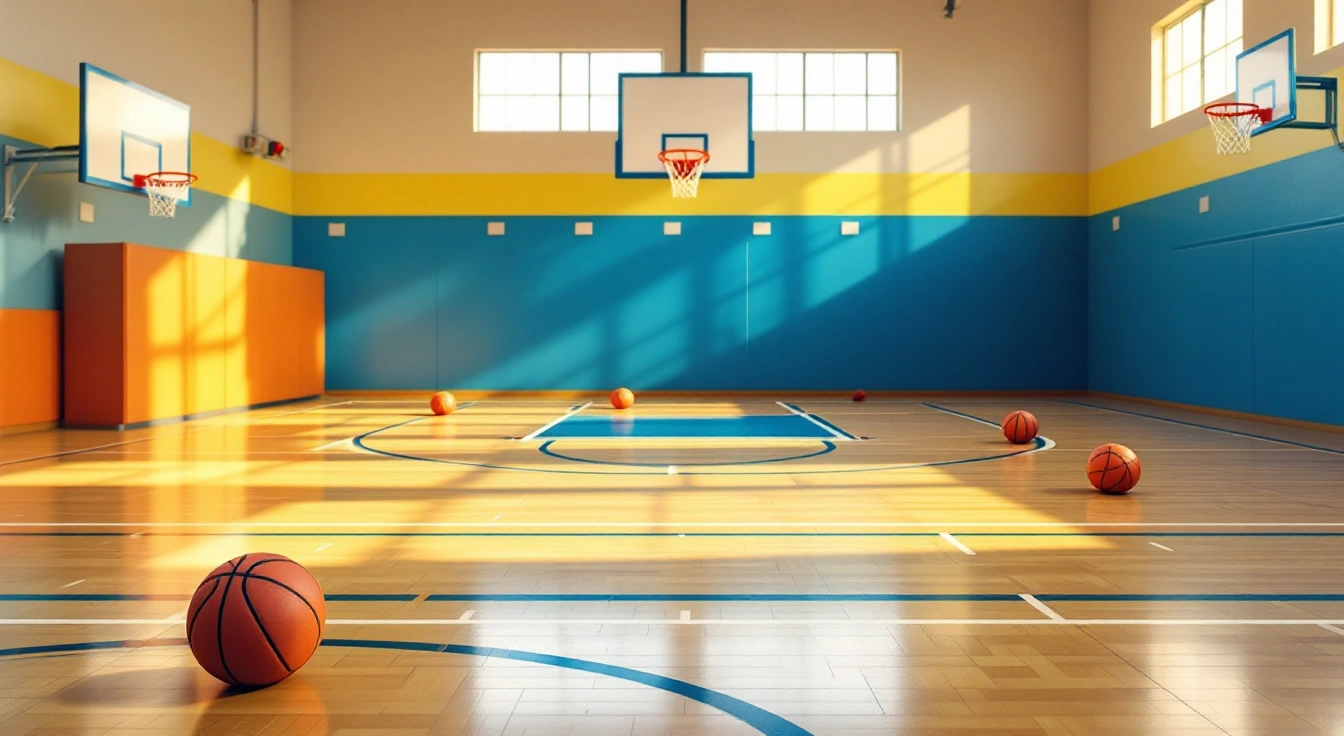
Fun basketball drills for kids should keep a clear skill purpose and let every player stay involved. A game can be playful without sending a child out after a mistake. These original activities give adult coaches ways to use a choice, a shared target or a short turn without a long waiting line.
Choose a game because it teaches a visible action: a controlled stop, a catchable pass or a decision between two windows. Keep its rules short and explain how everyone rotates. The timings and scoring ideas below are editable authored examples. They are not official rules, measured outcomes or promises of enjoyment for every child, and the program’s age and safety arrangements still govern the activity.
The USA Basketball foundational curriculum distinguishes skill tasks such as ball handling and passing. Pick the action a game should teach before adding its score or rule.
On this page
Group and equipment checks
Check the space and ball before choosing a game. A crowded floor does not become suitable because the task has a playful name. Keep waiting and return routes clear, use the adopted defensive restrictions and avoid personal score boards. Beginners can use a still or no-hoop version while sharing the same cue as the rest of the group.
Choose a game with a purpose
- Goal: Make the skill task clear before the playful rule begins.
- Readiness: Can follow one adult instruction.
- Players: Pairs at clear spots with one ball.
- Space: A still passing area away from other traffic.
- Equipment: One ball and optional target spots.
- Editable example time: 3 minutes, change who chooses first.
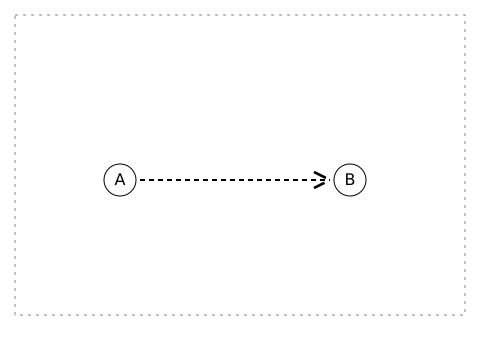
A and B use the dashed passing lane when their chosen game task is a calm catch. For a stop task, pause the ball and rehearse that action first. Add a score only after the pair understands the rule.
Solid arrows show player movement; dashed arrows show the ball. The dotted edge marks an illustrative work area, not regulation boundaries.
Step 1: Ask the pair to choose whether to practice a calm catch or a deliberate stop. The adult gives one short game rule that fits the choice, such as waiting for visible hands before every send. The pair tries that action before adding any score.
Step 2: At the pause, ask what the ball or receiver did. Keep the next version tied to that observation. A funny name or a fast count should not replace the actual task the adult meant to teach.
Coach cue: Name the action that makes this turn useful.
Easier version: Show the whole turn with the adult as partner.
Harder version: Let the pair choose between two versions with the same goal.
Observe: The players can explain the action without a long list of rules.
Ball-control gate choice
- Goal: Read a clear exit while keeping the dribble manageable.
- Readiness: Can walk a short route with a ball or use a held version.
- Players: One mover per lane with a waiting partner.
- Space: Two broad visible exits, no narrow obstacles.
- Equipment: One ball and flat gate markers.
- Editable example time: 4 minutes, exchange after each trip.
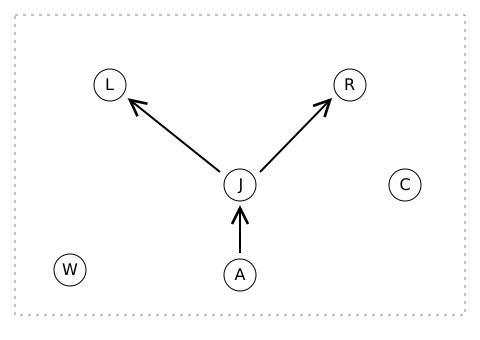
A approaches junction J and takes the adult’s early cue through gate L or R. The solid branches are alternative routes. W waits outside both; return outside the active lane after the stop.
Solid arrows show player movement; dashed arrows show the ball. The dotted edge marks an illustrative work area, not regulation boundaries.
Step 1: The adult points to one of two gates before A reaches the turn. A uses the named route, stops at its end and returns outside the active lane. Keep the opening broad enough for a calm walk rather than a sharp squeeze.
Step 2: Give another player the next turn after each trip. A wrong gate does not eliminate the player. Use a known direction or a held-ball walk if the signal removes ball control; label the held version as a movement game.
Coach cue: See the gate before changing the route.
Easier version: Name the exit before the start.
Harder version: Let the adult choose the gate during the slow approach.
Observe: A follows the cue while keeping a clear ball and return route.
Team passing challenge
- Goal: Share a target without making one child carry the outcome.
- Readiness: Can make a gentle still pass.
- Players: Pairs or a three-person triangle.
- Space: Open receiving windows with no crossing lanes.
- Equipment: One ball per group.
- Editable example time: 4 minutes, pause to choose the next target.
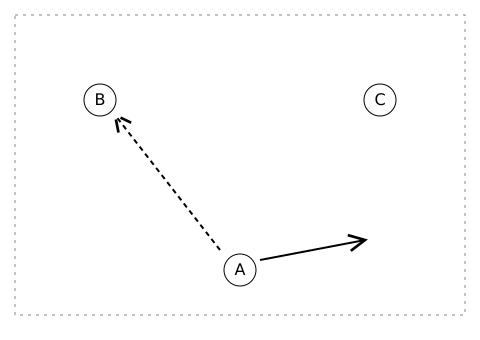
A sends to B, with C waiting to become the next receiver. The solid arrow clears the old sender outside before the next pass. Work toward calm catches with everyone taking a turn, without elimination.
Solid arrows show player movement; dashed arrows show the ball. The dotted edge marks an illustrative work area, not regulation boundaries.
Step 1: The group chooses an authored target such as several calm catches with everyone taking a turn. A waits for B’s hands and sends gently. A dropped catch restarts that attempt without removing anyone or adding punishment running.
Step 2: After a short round, let the group choose a different pass type or a nearby receiver spot. Keep only one new demand. The adult observes whether the new target remains catchable instead of announcing a ranking against another group.
Coach cue: Make the next person’s catch possible.
Easier version: Use rolls and a broad low hand target.
Harder version: Add one slow side step by the receiver.
Observe: Every participant receives and sends under the stated conditions.
Finishing game with a clear return
- Goal: Keep attempts frequent without turning misses into exclusion.
- Readiness: Can follow the basket’s turn and collection route.
- Players: Three with an adult managing one active ball.
- Space: Close target and a separate side exit.
- Equipment: One ball and suitable basket or floor target.
- Editable example time: 4 minutes, one attempt then exchange.
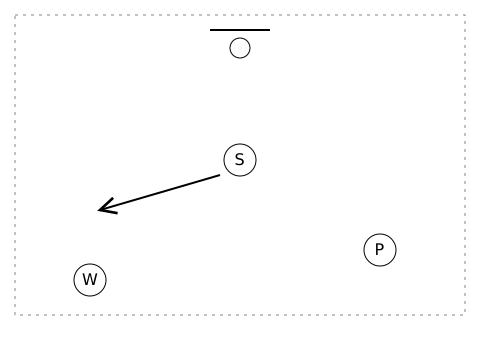
S chooses a close spot before attempting, then clears along the solid exit. P collects only after the landing area opens. W takes the next turn after collection, regardless of a make or miss.
Solid arrows show player movement; dashed arrows show the ball. The dotted edge marks an illustrative work area, not regulation boundaries.
Step 1: S chooses one of two nearby close spots before the turn and makes a controlled attempt. P or the adult collects only after the landing area is clear. W takes the next turn whether the attempt was made or missed.
Step 2: Let the group notice calm releases or clear exits as well as target hits. If choosing the spot causes confusion, use one known start. Do not let the player run after the ball through the next person’s approach.
Coach cue: An attempt ends by making room for the next one.
Easier version: Roll to a floor target with the same turn order.
Harder version: Add a short ready-hand feed before the chosen spot.
Observe: The playful choice leaves the shot and return routes predictable.
Small-sided decision game
- Goal: Find a free teammate when one route is closed.
- Readiness: Can receive and see a nearby passing target.
- Players: Two attackers and a shadow defender.
- Space: A small marked area with two distinct windows.
- Equipment: One ball; basket optional.
- Editable example time: 5 minutes, brief turns in a fixed order.
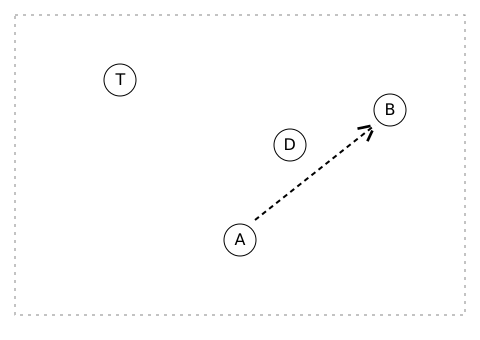
A can move toward T or pass to B. D shadows one option without contact, leaving a visible choice. The dashed line shows the pass; end a no-hoop version at B’s catch and rotate all jobs.
Solid arrows show player movement; dashed arrows show the ball. The dotted edge marks an illustrative work area, not regulation boundaries.
Step 1: A starts with a pass to B and a separate route toward a target. The shadow defender closes one option without contact. A reads the remaining window, then completes one controlled action. A catch can end a no-hoop version.
Step 2: Rotate who begins with the ball, who receives and who defends. An unsuccessful choice does not send a child to the back indefinitely. Keep live pressure within local rules and make the early defender choices easy to see.
Coach cue: Choose what the defender leaves open.
Easier version: State the closed option before A begins.
Harder version: Let the shadow decide slowly as the turn starts.
Observe: A can describe the window that made the choice useful.
Keep-everyone-in stop game
- Goal: Practice a shared stop without elimination.
- Readiness: Understands the agreed boundary and cue.
- Players: Small group with separate personal space.
- Space: One-way route or still spots, depending on room.
- Equipment: Optional ball for each active player.
- Editable example time: 3 minutes, end earlier if attention fades.
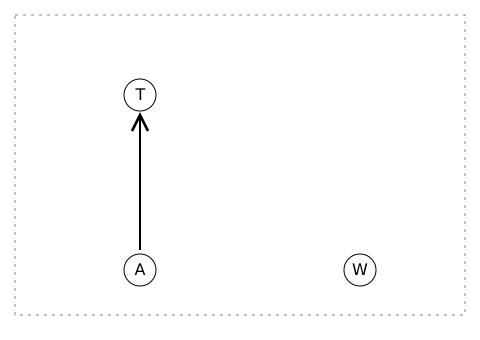
A uses a separate lane toward T and stops on the familiar cue. W waits outside the lane. Rehearse without a ball first; a later live dribble keeps the same route and stop, with everyone staying in the game.
Solid arrows show player movement; dashed arrows show the ball. The dotted edge marks an illustrative work area, not regulation boundaries.
Step 1: The adult gives a familiar movement cue and then a stop cue. Begin without a ball or use a held-ball version. Everyone remains in the next round even after a missed stop; the adult models the pause again instead of eliminating players.
Step 2: For a ready group, allow a slow live dribble inside the same separate lanes. Keep the cue visible and audible. If loose balls cross routes, stop all movement and return to the still version before another round.
Coach cue: Stop together and begin again together.
Easier version: Copy the adult’s still pause at separate spots.
Harder version: Use one broad direction change announced before the round.
Observe: The group can reset without chasing or leaving someone out.
Partner cue remix
- Goal: Keep one ball task while reading a different simple signal.
- Readiness: Can manage the chosen still bounce or passing task.
- Players: Pairs with one cue giver and one worker.
- Space: Two clear spots with room for a missed ball.
- Equipment: One ball and optional left/right target labels.
- Editable example time: 4 minutes, swap cue giver after a short turn.
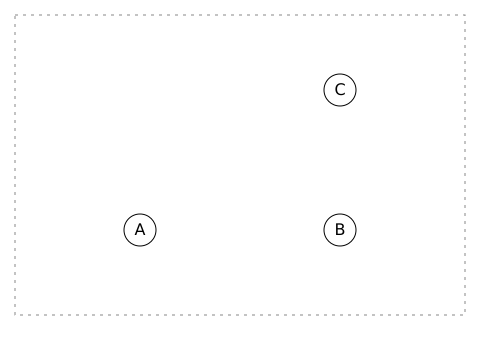
B gives a left or right cue while A bounces at the still spot. A calls the direction, then catches to end the turn. C is the adult supervising; swap A and B after the reset.
Solid arrows show player movement; dashed arrows show the ball. The dotted edge marks an illustrative work area, not regulation boundaries.
Step 1: B points left or right while A uses a still controlled bounce. A calls the direction and ends the turn with a deliberate catch. Begin with the signal already known so the pair understands what to watch.
Step 2: Later let B choose the signal after A starts, with no feint or late surprise. If A loses control each time, simplify the ball task rather than ask for a faster response. Swap jobs so both players learn to give a readable cue.
Coach cue: A clear signal helps a clear response.
Easier version: Hold the ball and point toward the same cue.
Harder version: Use the familiar walking lane instead of a still spot.
Observe: The pair reads one cue while keeping the intended control task.
Put these activities into a practice
Adapt the numbers by making more short pairs or triangles only when an adult can supervise the actual areas. A group of odd size can rotate a cue-giving or observing job, with the turn order stated before play. Avoid winner-stays and last-player-out formats that remove the beginners who need more attempts.
Try this editable 25-minute game block. Use 4 minutes for gate choice and 4 for shared passing. Take 2 for water and reset. Use 4 for close targets, 5 for the choice game and 3 for the stop game. Close with 3 minutes of calm review.
Those minutes are editable and include transitions. Ask which action the group wants to repeat. Use that answer alongside what the adult saw and the space available.
FAQ
Does a game need elimination to stay interesting?
No. These games use a choice, shared target or changing cue while keeping every participant in the rotation. A miss can lead to a simpler next attempt instead of removal. If the area fits fewer active players, use brief fixed turns and a clear waiting job rather than leave losing players out.
Should every game have a score?
No. A clear observation can serve the lesson, such as whether the receiver was ready or the group stopped together. If you use a target count, label it as an authored practice choice and keep it anonymous at group level. Do not turn it into a public child-performance record.
What if the playful rule overwhelms beginners?
Remove the new rule and keep the familiar ball task. Show one turn with the adult as partner, then try again slowly. Fun is not established by adding more instructions. A group that can repeat one calm action may be better served by a simple choice than a complicated scoring system.
Can the same game use a no-hoop version?
Often yes, when the task is control, receiving or seeing an outlet. End the turn at a target send or catch instead of an unsuitable shot. State the modified goal clearly and keep the collection route. A no-hoop version should remain a real learning task, not a queue waiting for basket access.
Choose the next coaching task
Youth Basketball Tips · https://youth-basketball-tips.com/youth-basketball-drills/fun-basketball-drills-for-kids/